Korean Bibimbap
Highlighted under: Everyday World Food Inspiration
Korean Bibimbap is a vibrant and nutritious dish that combines a variety of vegetables, rice, and a flavorful sauce for a delicious meal.
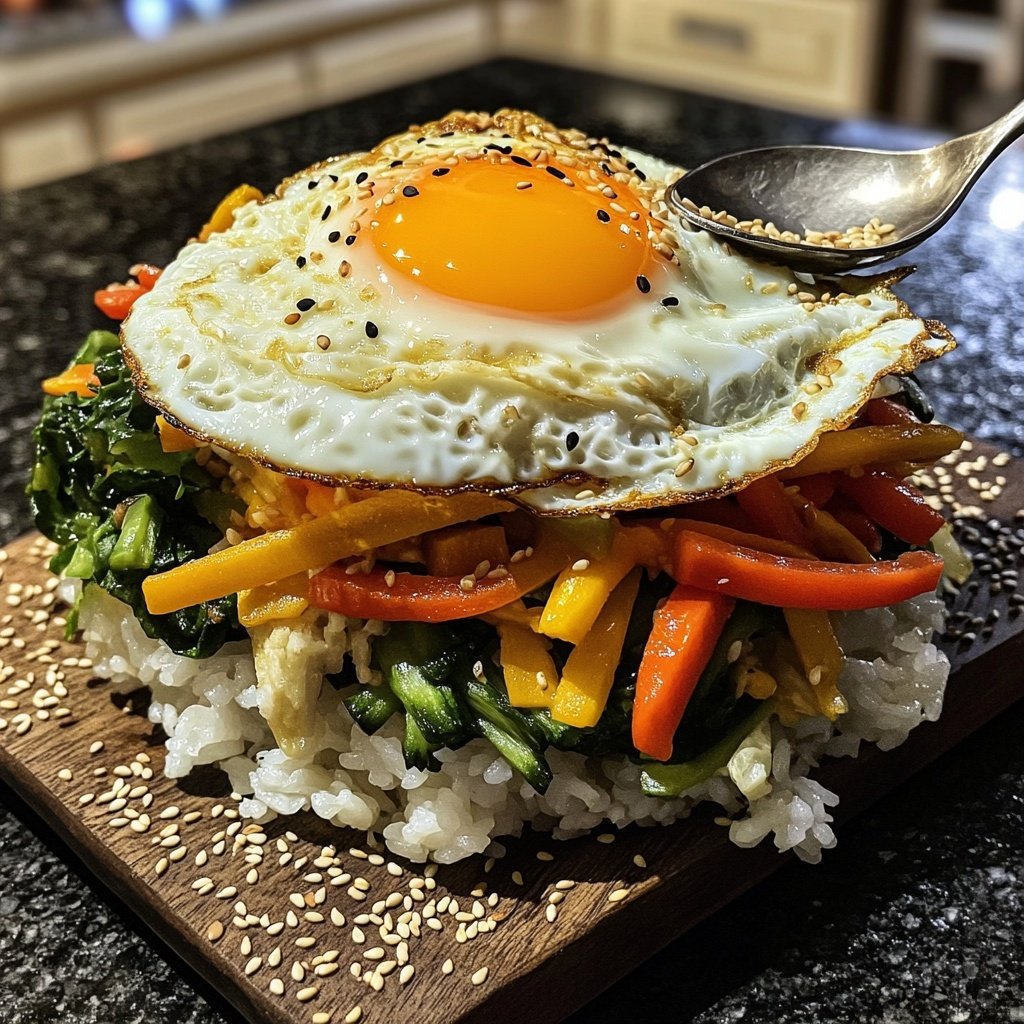
Korean Bibimbap is not just a meal; it is a celebration of colors and flavors. Each ingredient brings its unique taste and texture, making it a hearty and wholesome dish.
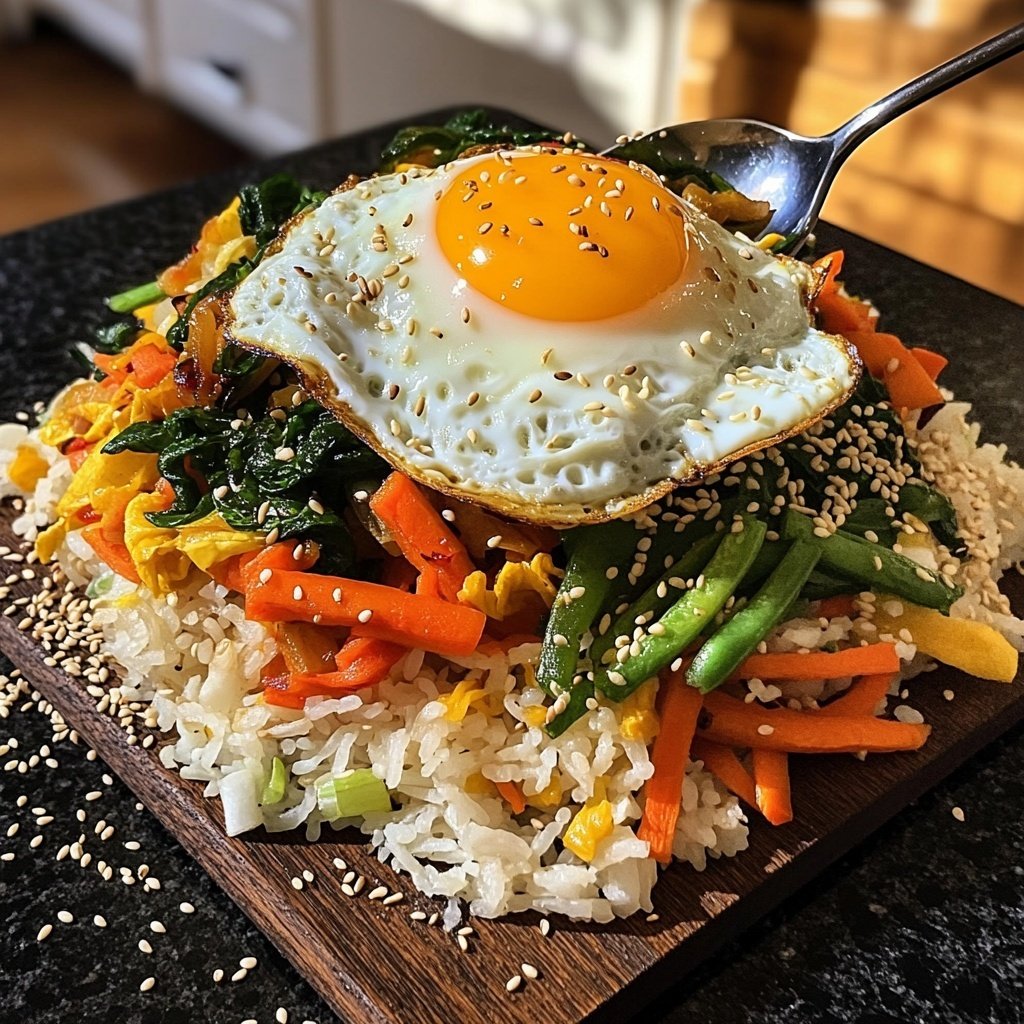
Why You'll Love This Recipe
- A colorful medley of fresh vegetables
- Nutty flavor from sesame oil and seeds
- Customize with your favorite proteins
The History of Bibimbap
Bibimbap, which translates to 'mixed rice,' is a dish with origins deeply rooted in Korean history. Traditionally served as a royal dish, it has evolved over centuries into a popular comfort food enjoyed by many. The dish reflects the Korean philosophy of harmony and balance, as it incorporates a variety of ingredients that not only please the palate but also provide essential nutrients.
Historically, bibimbap was served as a way to use up leftover ingredients, which was both practical and resourceful. The vibrant colors of the vegetables symbolize the five cardinal directions and the harmony of nature, making bibimbap not just a meal but a feast for the eyes as well.
Nutritional Benefits
Korean Bibimbap is not only delicious but also packed with nutritional benefits. The dish features a variety of vegetables, providing a rich source of vitamins, minerals, and fiber. Spinach is high in iron, while carrots add a dose of beta-carotene, crucial for eye health. Zucchini and bean sprouts contribute hydration and additional nutrients, making this meal a wholesome choice.
Moreover, the inclusion of eggs adds protein, making bibimbap a balanced dish that can fuel your day. The sesame oil not only enhances flavor but also contains healthy fats that support heart health. With its diverse ingredients, bibimbap can be a satisfying and nourishing meal option for everyone.
Customizing Your Bibimbap
One of the best things about bibimbap is its versatility. You can easily customize it according to your dietary preferences and what you have on hand. For a vegetarian version, consider adding tofu or seitan for extra protein. If you prefer meat, grilled chicken, beef, or pork are excellent options that can be marinated and added for a flavor boost.
Additionally, feel free to experiment with different vegetables based on the season or your personal taste. Mushrooms, radishes, or even kimchi can elevate the dish, adding new textures and flavors. This adaptability makes bibimbap a fun and interactive meal, perfect for gatherings or family dinners.
Ingredients
For the Bibimbap
- 2 cups cooked rice
- 1 cup spinach, blanched and chopped
- 1 cup carrots, julienned
- 1 cup zucchini, julienned
- 1 cup bean sprouts, blanched
- 4 eggs
- 4 teaspoons sesame oil
- 4 teaspoons gochujang (Korean chili paste)
- Sesame seeds, for garnish
- Green onions, chopped, for garnish
Feel free to add your choice of protein such as beef, chicken, or tofu!
Instructions
Prepare the Vegetables
In a large skillet, heat a teaspoon of sesame oil over medium heat. Sauté the zucchini and carrots separately until tender. Set aside.
Cook the Eggs
In the same skillet, fry the eggs sunny-side up, or to your preferred doneness.
Assemble the Bibimbap
In a large bowl, place a serving of rice at the bottom. Arrange the sautéed vegetables, blanched spinach, and bean sprouts on top. Place a fried egg in the center, drizzle with gochujang and sesame oil, and sprinkle with sesame seeds and green onions.
Serve
Mix everything together before eating, and enjoy your delicious Korean Bibimbap!
For a spicier kick, add more gochujang to taste.
Pro Tips
- For a vegetarian version, skip the egg or replace it with tofu for added protein.
Tips for Perfect Bibimbap
To achieve the best flavor and texture in your bibimbap, it's important to use fresh, high-quality ingredients. Choose seasonal vegetables for optimal taste and nutrition. When cooking the vegetables, try not to overcrowd the pan, as this can lead to steaming rather than sautéing, which affects the texture.
For an extra punch of flavor, marinate the protein you choose to add. A simple mix of soy sauce, garlic, and ginger can make a world of difference. Don't forget to adjust the amount of gochujang to suit your spice preference, as some may enjoy it spicier than others.
Storage and Leftovers
If you have leftovers, bibimbap can be easily stored in an airtight container in the refrigerator for up to three days. To reheat, simply warm the rice and vegetables together, adding a splash of water to prevent drying out. You can fry a fresh egg to top your reheated bibimbap for a delicious meal.
However, keep the gochujang and sesame oil separate until you're ready to eat. Mixing these in with the leftovers may lead to soggy ingredients, diminishing the overall texture. Enjoying bibimbap as a leftover can be just as enjoyable, making it a perfect meal prep option!
Questions About Recipes
→ Can I make Bibimbap vegan?
Yes! Simply omit the eggs and add more protein such as tofu or tempeh.
→ What other vegetables can I use?
Feel free to experiment with any vegetables you like, such as mushrooms, bell peppers, or radishes.
→ Can I prepare the ingredients in advance?
Absolutely! You can prep the vegetables and rice ahead of time and assemble just before serving.
→ What is gochujang?
Gochujang is a Korean chili paste made from fermented soybeans, red chili powder, and salt, providing a unique flavor and heat.
Korean Bibimbap
Created by: Pippa Lawson
Recipe Type: Everyday World Food Inspiration
Skill Level: Intermediate
Final Quantity: 4 servings
What You'll Need
For the Bibimbap
- 2 cups cooked rice
- 1 cup spinach, blanched and chopped
- 1 cup carrots, julienned
- 1 cup zucchini, julienned
- 1 cup bean sprouts, blanched
- 4 eggs
- 4 teaspoons sesame oil
- 4 teaspoons gochujang (Korean chili paste)
- Sesame seeds, for garnish
- Green onions, chopped, for garnish
How-To Steps
In a large skillet, heat a teaspoon of sesame oil over medium heat. Sauté the zucchini and carrots separately until tender. Set aside.
In the same skillet, fry the eggs sunny-side up, or to your preferred doneness.
In a large bowl, place a serving of rice at the bottom. Arrange the sautéed vegetables, blanched spinach, and bean sprouts on top. Place a fried egg in the center, drizzle with gochujang and sesame oil, and sprinkle with sesame seeds and green onions.
Mix everything together before eating, and enjoy your delicious Korean Bibimbap!
Extra Tips
- For a vegetarian version, skip the egg or replace it with tofu for added protein.
Nutritional Breakdown (Per Serving)
- Calories: 500 kcal
- Total Fat: 20g
- Saturated Fat: 5g
- Cholesterol: 200mg
- Sodium: 600mg
- Total Carbohydrates: 70g
- Dietary Fiber: 5g
- Sugars: 5g
- Protein: 15g